

Orthodontist South Gate CA
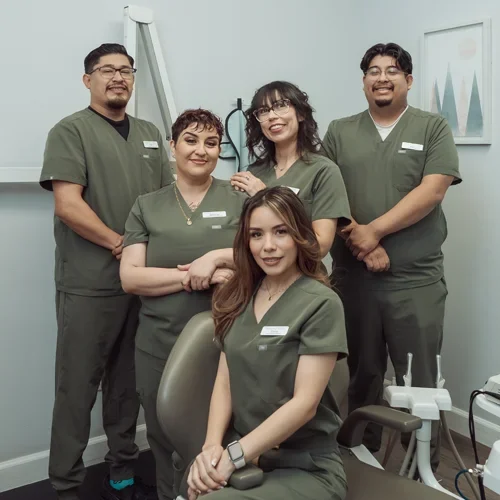
At Embrace Dental and Orthodontics, we’re committed to providing thoughtful, personalized orthodontic care in a welcoming setting where patients of every age feel comfortable and supported. Dr. Christina S Lee D.D.S., takes a patient-first approach—listening carefully, explaining each phase of treatment, and ensuring every visit feels clear, calm, and productive.
As leading orthodontists in South Gate CA, our focus extends beyond straight teeth. We prioritize healthy bite function, balanced jaw development, and long-term stability. At each appointment, we track progress closely, adjusting treatment as needed to keep everything on course. By combining advanced digital imaging, 3D technology, and time-tested orthodontic methods, we deliver precise, modern care designed around your unique needs.
Embrace Dental and Orthodontics
We believe great orthodontic care starts with strong relationships. That’s why we focus on creating a welcoming, supportive experience for every patient and family who walks through our doors. From young children to busy adults, our goal is to make sure you feel heard, informed, and comfortable from your first visit to your final result.
Our experienced team looks beyond straight teeth. We pay close attention to bite balance, jaw growth, and how your smile develops over time. By using advanced technology such as digital imaging and 3D scans, we design customized treatment plans that prioritize comfort, efficiency, and long-term stability.
Education is a key part of our approach. Dr. Christina S Lee D.D.S., takes the time to explain recommendations clearly and walk you through available options. Based on age, development, and goals, treatment may involve early orthodontic guidance, space maintenance, braces, or clear aligner therapy.
We’re proud to offer orthodontic care that supports confidence at every stage of life. Reach out to our South Gate CA office today to schedule a consultation—we look forward to helping you create a healthy, confident smile that lasts.
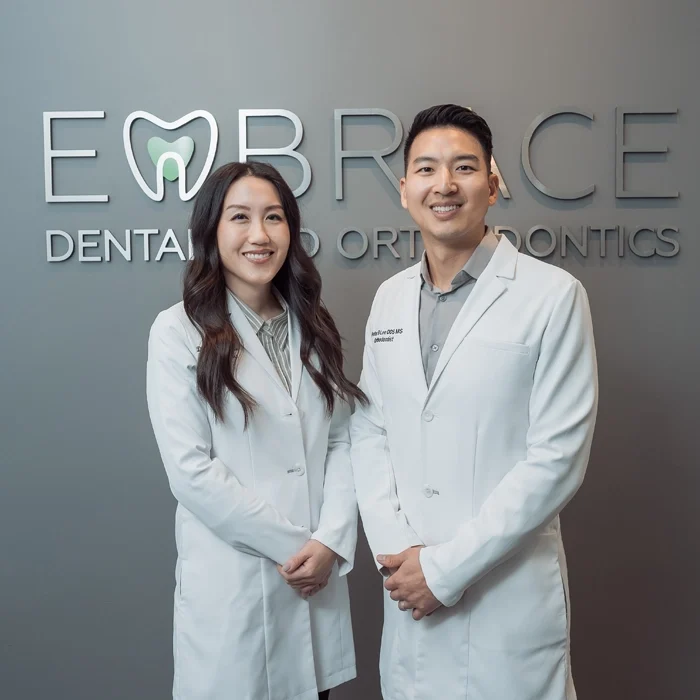
Dr. Christina S Lee DDS & Dr. Peter Lee DDS
Everyone Deserves A Beautiful Smile
Every smile has its own story—whether it’s a child just beginning orthodontic care or an adult ready to invest in long-term confidence. We offer customized orthodontic treatment for all ages, blending accuracy, comfort, and genuine support throughout the entire process.
From helping young smiles develop properly to refining bite alignment and tooth position in adults, our team uses modern, age-specific approaches to create results that are both healthy and lasting. Whether your needs involve early guidance, braces for teens, or clear aligners for adults, we’re here to care for your smile through every phase of life.
Adult Orthodontics

Braces for Kids

Braces for Adults

Smile Makeover
Common Orthodontic Concerns, Conditions, and Treatments
Orthodontic care goes far beyond creating a straighter smile. It’s about helping your teeth and jaws work together properly so you can chew comfortably, speak clearly, and protect your long-term oral health. Some of the most common concerns we address include:
- Crowded Teeth: When the jaw doesn’t have enough space, teeth can bunch together or rotate. This crowding makes daily brushing and flossing more difficult and can raise the risk of cavities and gum problems.
- Spacing or Gaps: Extra space between teeth—whether from genetics or missing teeth—can affect how your bite functions and how your smile looks.
- Overbite: An overbite occurs when the upper front teeth overlap the lower teeth too much. Over time, this can contribute to tooth wear, jaw discomfort, and even speech challenges.
- Underbite: When the lower jaw extends forward past the upper jaw, chewing efficiency and facial balance can be affected.
- Crossbite: With a crossbite, some upper teeth bite inside the lower teeth instead of outside. If left untreated, this can lead to uneven tooth wear and strain on the jaw.
- Open Bite: An open bite means the upper and lower teeth don’t meet when the mouth closes. This can interfere with chewing and speech and is often linked to habits like thumb-sucking.
Orthodontic treatment isn’t one-size-fits-all. Every plan is customized based on age, dental development, and lifestyle needs. Here’s an overview of some of the most common treatment options we offer:
- Traditional Braces: A reliable and effective choice, modern metal braces are smaller, smoother, and highly precise—especially for more complex orthodontic cases.
- Clear Braces (Ceramic Braces): These braces use tooth-colored brackets to deliver the same corrective strength as metal braces with a less noticeable appearance, making them popular with teens and adults.
- Clear Aligners: Clear aligners offer a discreet way to straighten teeth. They’re removable, comfortable, and easy to maintain, making them a favorite for adults and responsible teens.
- Early Interceptive Treatment (Phase 1): For children around age 7, early orthodontic care can guide jaw growth, make room for permanent teeth, and reduce the need for more extensive treatment later.
- Retainers: After active treatment ends, retainers help hold teeth in their new positions and protect your results long term. (Yes—retainers really do matter.)
What Kind of Training Does an Orthodontist Have?
Ever wondered what makes an orthodontist different from a general dentist? The answer lies in specialized training and years of focused education. After completing dental school—typically four years—orthodontists go on to earn acceptance into a highly selective residency program. That’s another two to three years of full-time, hands-on training devoted entirely to tooth movement, bite correction, and facial growth.
During residency, we study the mechanics behind how teeth move, how jaws develop, and how facial structures work together. We learn to diagnose and treat everything from minor spacing issues to complex bite imbalances—and how to customize treatment so it fits each individual patient.
Many orthodontists also pursue board certification, which requires additional testing, detailed case evaluations, and ongoing education. This extra step reflects a commitment to staying current with evolving techniques, technology, and best practices.
While general dentists focus on routine care like cleanings, fillings, and preventive treatment, orthodontists specialize in long-term alignment and bite management.
Simply put, when it comes to straightening teeth or improving how your bite functions, orthodontics is what we’ve trained for—extensively—so you can feel confident you’re in skilled, experienced hands.






The History of Orthodontics
Orthodontics may feel like a modern convenience, but the pursuit of straighter teeth actually stretches back thousands of years. Long before today’s braces and aligners, ancient civilizations were already experimenting with ways to improve dental alignment. Archeologists have discovered mummies from ancient Egypt wearing metal bands around their teeth, along with early writings from Greece describing wire-based techniques to guide tooth movement.
The field began to take clearer shape in the 1700s. French dentist Pierre Fauchard—widely regarded as a pioneer of modern dentistry—introduced a device known as the Bandeau. This horseshoe-shaped metal appliance was designed to widen dental arches. It wasn’t exactly gentle by today’s standards, but it marked a major leap forward in orthodontic thinking.
During the 1800s, American orthodontist Edward Angle helped transform orthodontics into a recognized specialty. He developed a system for classifying bite problems—called malocclusions—that is still referenced today. Angle also founded the first orthodontic school, separating orthodontics from general dentistry and establishing it as its own discipline.
By the early 20th century, braces began to resemble what we recognize now. Metal bands, archwires, and elastic components entered the scene. While early versions were bulky and uncomfortable, they laid the groundwork for continuous improvement.
Today’s orthodontic care looks very different. Advances such as stainless steel wiring, clear aligner systems, digital impressions, and 3D imaging have made treatment more accurate, efficient, and comfortable than ever before. What was once a rough, experimental process has become a refined, evidence-based approach that enhances both function and confidence.
So when you step into our office, you’re not just starting treatment—you’re becoming part of a long history of innovation. We’re proud to continue that tradition as we help guide your smile into its next chapter.